What Is a Phishing Attack? Understanding the Threat With Examples
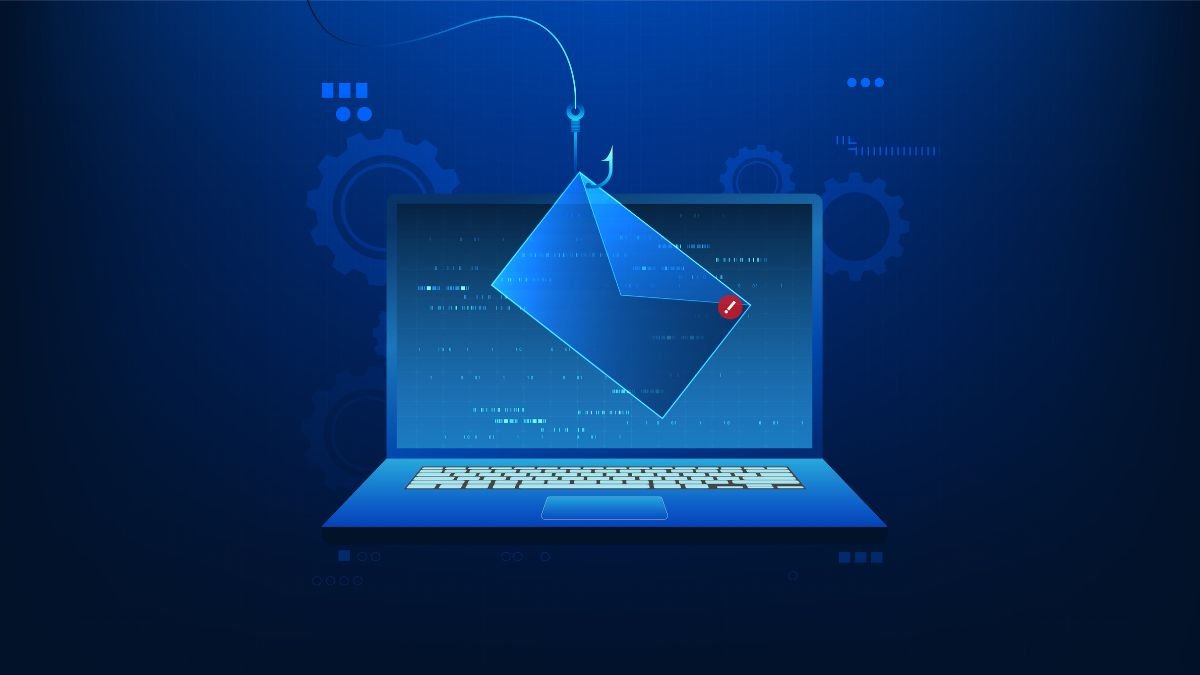
A phishing attack refers to a form of cybercrime that involves criminals deceiving individuals to reveal personal data like passwords, bank details, credit card numbers, or logins. The attacks tend to be accomplished by means of phishing email messages, text messages, websites, or social media messages, which seem to be trusted by the recipients.
The name phishing is based on the notion of fishing for information. Since cybercriminals target thousands, their net is broad when sending fraudulent messages to their users in an effort to ensure that some of them fall prey to the scam.
Phishing impacts are by far considered a global security threat since it is the attack that mostly depends on the human factor, rather than the technical expertise of hacking. Even the more experienced internet users are occasionally deceived by perfectly designed phishing.
How Does a Phishing Attack Work?
One of the basic steps in a phishing attack is the presence of a phishing attack. A fake message that appears believable is first made by the attacker. It might seem to be issued by a bank, a shopping site, a delivery service, an employer, or even a government agency.
One of the following is normally found in the message:
- A fake login link
- An attachment containing malware
- A warning about account suspension
- A request for urgent verification
After the victim opens the link or takes the attachment, the attacker either steals the individual’s information or installs malicious software in the device.
The success of phishing is usually based on panic creation, rush or curiosity. Phishing emails frequently contain strengths such as: Your account will be suspended today or Immediate action required, which puts the user in a state of panic to act immediately, whilst not readying themselves to verify the origin of the email.
Common Types of Phishing Attacks
Email Phishing
The most widespread type of phishing is email phishing. The attackers also use the email which is similar to that of a trusted company like a bank, streaming services or online shopping sites.
These emails are usually accompanied by links to spoof sites that have a similar appearance to the original sites.
Spear Phishing
Spear phishing is aimed at a particular individual or a company. These attacks are not just personalized with the name of the victim, details of the company or job position as is often the case with mass phishing campaigns.
The spear phishing attacks can be more threatening and successful due to the message seeming to be more legitimate.
Smishing
Smishing involves phishing that is done using SMS or text messages. A message about a failed delivery of a package or a check-up of the bank account is sent to the user, who may think that something is wrong and it should be checked.
It is normally a rogue link that is embedded within the text.
Vishing
Vishing is a type of voice call in which scammers impersonate bank representatives, technical support agents or even governmental representatives. The attacker tries to convince the victim to share confidential information over the phone.
Example of a Phishing Attack
One common phishing example involves fake banking emails.
A user is sent an email that seems to be sent by a reputable bank. The email informs that an account has been discovered to have suspicious activity on it and requests the user to confirm the account by immediately checking the logins.
There is a link to the message titled as Secure Account Verification. On a click, the link swallows you into a fake banking site that is set in a manner that it appears like the original one.
The user injects the username and password, thinking that this is a legitimate site. Nevertheless, the information is immediately transmitted to the attacker, who knows his way to the actual bank account.
In most instances, the victim does not realize the fraud until some unauthorized transaction is reflected on their accounts.
Signs of a Phishing Attempt
Being aware of phishing is a significant measure towards preventing cyber attacks. There are warning signs that are shared:
Suspicious Email Addresses
In the use of phishing emails, addresses appear to be slightly suspicious. As an example, a spam email can use numbers where letters should be or can include unnecessary symbols to resemble a reputable company.
Urgent or Threatening Language
These messages can be phishing attempts and typically include messages caused by panic or that of an urgent action. Attackers do it with urgency to prevent users from thinking.
Poor spelling and grammar
Most phishing emails are characterized by grammatical errors, clumsy expressions, or typing formatting errors. Although certain frauds are of an advanced nature, bad language is one language that is commonly a red flag.
Unfamiliar Links
To tell whether a link will take one to a suspicious website, one may simply hover the cursor on the link and see whether the underlying site is questionable. Counterfeit sites will usually have minor spelling differences with valid sites.
How to Protect Against Phishing Attacks
- Use Strong Passwords
Using special and strong passwords on various accounts lessens the chances of dual accounts being attacked.
- Enable Two-Factor Authentication
Two-factor authentication provides an additional level of authentication that involves an additional authentication process in addition to the password.
- Do not click on unknown links.
Caution should always be exercised in regard to links in unfamiliar emails, texts or social media messages.
- Keep Software Updated
Frequent software and antivirus updates help prevent devices from malware that is involved in phishing attempts.
- Verify Requests Independently
In case a message is said to be sent by a bank or a company, it is always better to use official channels to contact the organization rather than use the message.
Final Thoughts
Phishing attacks keep changing as cybercriminals come up with increasingly convincing techniques to swindle users. The particular risk posed by phishing is that it aims at human behavior and not necessarily to exploit technical flaws.
Learning about the functioning of phishing and warning signals and adherence to general cybersecurity rules can greatly decrease the chances of becoming a victim. Awareness is currently one of the greatest protective measures against online fraud as online communication continues to rise.
Also Read: Is VPN Legal in India? Everything You Need to Know